
If the furnace blower continues operating while warm air never reaches the registers, your house may feel chilly, and utility costs rise quickly. This problem commonly points to a hidden fault in the heating equipment that needs prompt service to prevent further damage.
At Lake Region Energy, we deliver professional furnace repair services across Maine and New Hampshire. Our team has assisted many homeowners in pinpointing reasons their heating system may be pushing out cool air.
In this article, we outline practical steps you can follow to investigate the issue wherein the furnace blower keeps running but no heat is produced before reaching out to a licensed HVAC professional.
Get Your Heat Back Without Delay: Rely on Lake Region Energy to diagnose furnace problems and deliver effective repairs that keep your home comfortable. Call today!
Steps To Diagnose A Furnace That Runs Without Delivering Warm Air
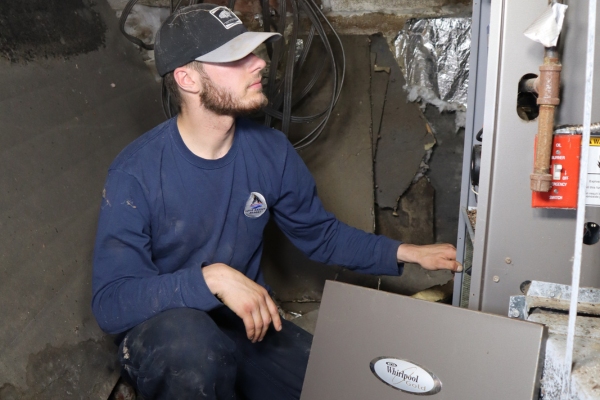
Read on to learn several practical furnace troubleshooting actions you can try when your system operates but fails to provide sufficient heat.
Dependable Comfort Starts Here: Maintain a warm, efficient home with expert furnace care from Lake Region Energy. Book your service appointment today!
Inspect the Furnace Condensate Drain
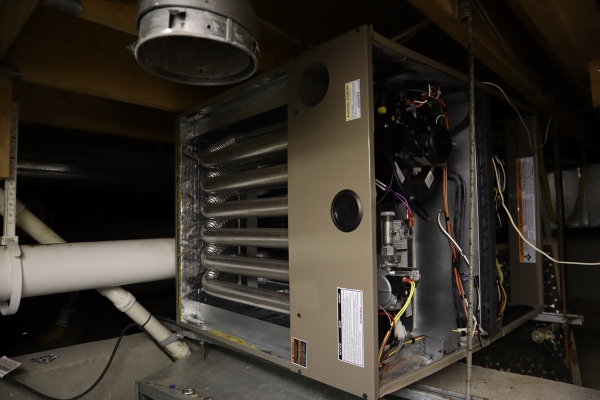
Modern high-efficiency furnaces produce moisture during normal operation, which is directed away through a condensate drain line. When this line becomes clogged, water may back up and activate the safety overflow switch.
As a result, the furnace will shut down to prevent damage. Visible standing water near the unit often signals a condensate blockage, indicating it is time to arrange professional furnace maintenance and cleaning.
Stay Warm All Winter: Avoid mid-season furnace troubles with professional maintenance from Lake Region Energy. Book your tune-up today!
Try the Furnace Reset Control
Many furnaces include a reset control, often marked in red. Pressing this button may help restart the system. If the reset must be pressed repeatedly to keep the furnace operating, a certified HVAC technician should inspect the unit to find and correct the root issue.
Heating Issues Fixed Properly: Trust the professionals at Lake Region Energy to bring back reliable performance and comfort. Get in touch today!
Review Thermostat Configuration

When the blower operates but no warm air reaches the vents, incorrect thermostat settings are often the cause. Check that the thermostat is set to heat rather than cool. While this seems basic, it is a frequent oversight.
When the fan is continuously on, it can give the impression that the furnace is running when only the blower is active. With just the blower motor operating, no heating cycle occurs, so warm air cannot circulate. Take the following steps:
- Adjust Fan Controls: Set the fan to AUTO so the blower runs only during an active heating cycle. Leaving it on ON can push cool air through the system and increase energy use.
- Raise the Temperature Setting: If the heat does not start, increase the thermostat setting several degrees above the current room temperature to trigger a heating cycle.
- Contact an HVAC Professional: If hot air still does not flow after completing these steps, it is time to call a qualified technician for service.
Enjoy Reliable Comfort All Season: Count on Lake Region Energy for trusted furnace repair and maintenance that keeps your home warm and worry-free. Call today!
Watch for Heating System Airflow Concerns
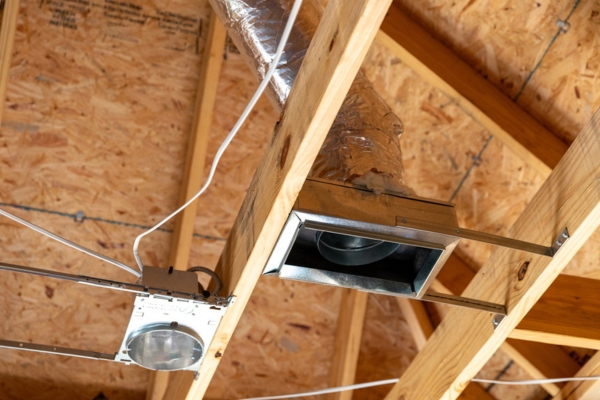
Restricted airflow within the furnace or ductwork can reduce the amount of warm air reaching your living spaces. These problems often stem from dirty air filters that block airflow and limit how much heated air exits the vents. Use the steps below to address common airflow issues:
- Heating System Air Filter: Inspect the air filter and replace it if debris buildup is present. Check it monthly and install a new filter whenever it appears dirty.
- Vent Louvers: Make sure all vent louvers are fully open by checking each one throughout the home. If a vent is closed, remove the cover and clean it. Contact a licensed HVAC technician if louvers are stuck or damaged.
- Supply Vents and Registers: Closed or obstructed vents restrict airflow and can make it seem like the furnace is underperforming. Confirm that all vents and registers remain open and clear of furniture, rugs, or carpeting. If the airflow feels weak, look inside the vent for any dropped items and remove them carefully with your hand or a flexible wire.
- Ductwork: Examine visible duct sections for air leaks. Escaping heated air weakens airflow, forcing the furnace to run longer and lowering efficiency, and shortening equipment life. A professional should seal leaks and gaps to restore proper performance.
Routine professional HVAC cleaning and maintenance help prevent airflow problems and support consistent, efficient heating.
Watch for Fuel Supply and Ignition Problems
When a furnace turns on but fails to produce heat, the cause may involve the ignition system or an interruption in fuel supply. Review the following steps to identify potential fuel-related concerns:
- Check the gas supply line and confirm the gas valve is in the open position.
- For oil or liquid propane systems, verify that the fuel tank contains an adequate supply and arrange a refill if levels are low.
- If your home uses natural gas, contact your utility company to confirm service has not been temporarily disrupted.
Reliable Heating Care You Can Rely On: Our experienced technicians deliver prompt, precise repairs to keep your home comfortable. Book your appointment today!
Diagnosing Furnace Ignition Failures
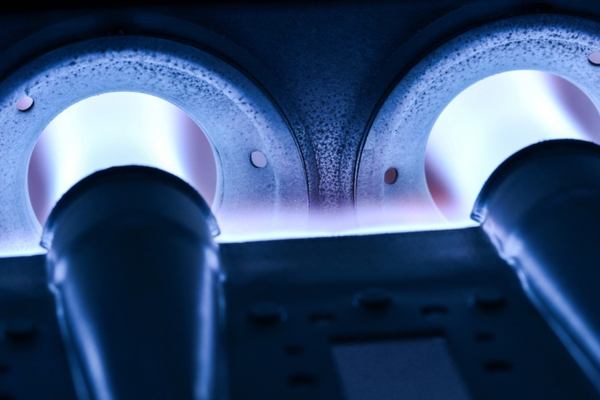
When the ignition system malfunctions, fuel cannot ignite properly, preventing the furnace from producing heat. Use the guidance below to address common ignition-related problems:
- Inspect the Pilot Flame: On older furnace models with a standing pilot, confirm that the flame is still lit. If it has gone out, follow the relighting instructions in the owner’s manual carefully to restore operation safely.
- Electronic Ignition Systems: Furnaces with electronic ignition may stop heating if the igniter becomes dirty. The metal component can be inspected and lightly cleaned, but because it is fragile, this task is best left to a trained technician.
- Avoid Manual Ignition Attempts: Never attempt to ignite the furnace on your own, as this creates serious safety risks. If the blower runs without heat, inspect it to confirm the belt is intact and properly aligned.
Dependable Home Comfort You Can Trust: From routine inspections to complete repairs, Lake Region Energy keeps your heating system operating safely and efficiently. Reach out today!
FAQs About Furnace Blower Keeps Running But No Heat
How Frequently Should Furnace Filters Be Changed?
Air filters should be checked once a month and typically replaced every 1 to 3 months, depending on household conditions. Homes with pets, smokers, or heavier dust accumulation often require more frequent filter changes to preserve proper airflow and system efficiency.
What Signs Indicate a Furnace May Be Failing?
Uneven temperatures, strange sounds, repeated on-and-off cycles, increasing energy costs, or visible corrosion on the unit can signal developing problems. These warning signs suggest the furnace is under strain and should be evaluated by a professional to prevent a complete system failure.
Does Thermostat Location Impact Furnace Operation?
Absolutely. When a thermostat is installed near drafts, supply vents, or direct sunlight, it can misread indoor temperatures and cause the furnace to cycle improperly. Mounting it on an interior wall away from airflow and heat sources helps ensure accurate readings and balanced heating.
Your Neighborhood Heating Professionals: Lake Region Energy provides dependable, cost-effective furnace repairs you can rely on. Call today to get started!
Why Is There an Odor When the Furnace Starts Up?
A light burning smell when the furnace is first used each season is typical, as dust burns off internal parts. Ongoing odors or smells resembling burning plastic or smoke signal a possible safety concern and require immediate professional inspection.
What Steps Help Extend Furnace Lifespan?
Arrange yearly professional maintenance, change air filters on a regular schedule, keep vents unobstructed, and fix small issues early. Ongoing care reduces repair costs, boosts efficiency, and helps your furnace operate longer.
Conclusion
When a furnace fails to produce heat, several possible problems may be responsible, each requiring a different approach. If you have worked through these troubleshooting steps and the issue continues, contacting a professional technician is the best way to pinpoint the underlying cause and address it before further damage occurs.
Professional Furnace Help Right When It Matters: Rely on Lake Region Energy for prompt, knowledgeable heating service throughout Maine and New Hampshire. Call today!
Contact Lake Region Energy for Complete HVAC Services
Lake Region Energy delivers high-quality heating and cooling solutions throughout Maine and New Hampshire. Our team is made up of highly trained, certified technicians who handle HVAC tune-ups, repairs, installations, and system replacements with precision and care. Every technician brings the experience and technical expertise needed to service your system properly.
Lake Region Energy is committed to offering competitive pricing on all HVAC services in the region. Our maintenance services enhance indoor comfort, improve energy efficiency, and help lower overall heating and cooling expenses. If your home requires an HVAC repair or a new system, we will recommend the best option that aligns with your comfort needs and budget.
A satisfaction guarantee backs all services for added peace of mind. To book your service appointment, contact Lake Region Energy today. We provide in-home estimates. Call now to get started.
For more information about our HVAC services and fuel deliveries, be sure to contact Lake Region Energy. You can click here to contact us, or you can call us at (207) 839-5500 to find out more. We offer a full line of heating and cooling repairs, maintenance services, and installations. Click the link to view our service area.

Related Articles: