
Avoiding running out of propane during winter starts with regularly monitoring tank levels, understanding household fuel consumption, and scheduling deliveries before supplies run low. As temperatures drop, heating systems work harder and consume more fuel. This increased demand can lead to unexpected shortages, so proper planning is essential to keep you warm through the coldest months.
This article covers practical strategies for preventing propane shortages, including tracking fuel levels, anticipating seasonal demand, arranging timely deliveries, and improving home heating efficiency.
Why Propane Consumption Increases During Winter
Propane consumption typically rises during winter as heating units work harder to keep indoor temperatures comfortable. Colder weather makes furnaces and boilers run longer, increasing daily fuel use. Extended cold spells can accelerate fuel depletion, particularly in larger homes or properties with greater heating demands.
Space heating is not the only factor. Many households also rely on propane for water heaters, fireplaces, cooking appliances, and clothes dryers, adding to overall consumption. Poor insulation, air leaks, and high thermostat settings can further increase fuel usage by forcing heating systems to work harder.
Sudden temperature drops can also lead to unexpected spikes in demand. Understanding these factors helps homeowners anticipate seasonal fuel needs, schedule timely deliveries, and reduce the risk of running out of propane during winter.
How to Avoid Running Out of Propane in the Winter in Maine and New Hampshire
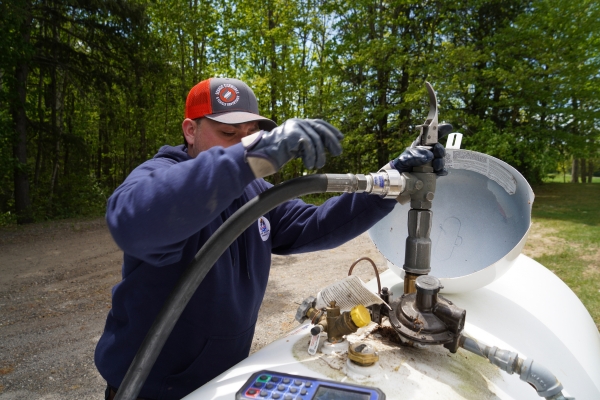
Preventing winter propane shortages requires regular fuel monitoring, careful planning, and efficient energy use. Understanding household consumption and scheduling timely deliveries can help maintain a dependable supply throughout the colder months. Below are seven practical ways to avoid running out of propane.
1. Monitor Your Propane Tank Levels Regularly
Check your propane tank gauge at least weekly during winter and more frequently during prolonged cold spells. Record readings to identify consumption patterns and recognize when fuel levels decline faster than expected. Regular monitoring helps you anticipate when your next delivery will be needed.
2. Schedule Refills Before Your Tank Gets Too Low
Waiting until your tank is nearly empty increases the risk of running out during severe weather or periods of high demand. Schedule a refill when the gauge approaches 30%, allowing sufficient time for delivery. Households with higher consumption or limited access to delivery may need to order sooner.
3. Understand Your Household’s Winter Propane Usage
Review previous winter delivery records to estimate seasonal fuel consumption. Home size, insulation, heating system efficiency, thermostat settings, and propane-powered appliances all affect usage. Understanding these factors helps you anticipate increased demand and plan refills more accurately.
4. Plan Deliveries Ahead of Peak Winter Demand
Winter storms, hazardous roads, and increased customer demand can delay propane deliveries. Schedule refills before forecasted cold spells, major storms, or busy holiday periods. Planning ahead is especially important for rural properties or homes with difficult access, where deliveries may require additional coordination.
5. Consider Automatic or Scheduled Propane Delivery
Where available, automatic delivery programs estimate refill needs using historical consumption, weather conditions, or remote tank monitoring. Scheduled delivery offers another option, arranging refills at planned intervals. Both services simplify fuel management, although homeowners should still monitor tank levels during unusually cold weather.
6. Improve Your Home’s Heating Efficiency
Reduce propane consumption by sealing air leaks, improving insulation, and maintaining reasonable thermostat settings. Programmable or smart thermostats can assist in managing heating schedules, while routine professional maintenance supports efficient furnace or boiler operation. These improvements help extend the time between deliveries without sacrificing comfort.
7. Keep Your Propane Tank Accessible
Snow, ice, and blocked driveways can prevent safe propane deliveries. Keep access routes clear and remove snow when safe, avoiding sharp tools or excessive force around propane equipment. Follow your supplier’s recommendations for maintaining clearance around tanks, valves, and regulators to minimize delivery delays.
Warning Signs Your Propane Supply May Be Running Low
Recognizing potential propane shortages early lets homeowners schedule timely deliveries and avoid unexpected heating interruptions. Watch for these warning signs during winter:
- Low Propane Tank Gauge Reading: A gauge approaching 20% or lower indicates limited fuel reserves. Contact your propane supplier promptly rather than waiting until the tank is empty.
- Increased Heating System Runtime: Furnaces and boilers operate longer during unusually cold weather, accelerating propane consumption. Check tank levels more often to see whether you need an earlier refill.
- Unexpected Changes in Fuel Consumption: A faster-than-normal decline in tank levels may indicate increased heating demand, additional appliance usage, or an equipment problem. If consumption changes cannot be accounted for, contact a qualified professional to investigate potential issues.
If you smell propane or suspect a gas leak, leave the area immediately and reach out to your propane supplier or emergency services from a safe location.
What to Do If You Run Out of Propane During Winter
Running out of propane during winter can interrupt heating, hot water, and other essential household functions. Taking the right precautions helps protect your household while ensuring service is restored safely.
- Contact Your Propane Supplier Immediately: Notify your provider that the tank is empty and arrange a refill as soon as possible. Reporting the complete fuel outage ensures the supplier can follow the necessary safety procedures before restoring service.
- Avoid Restarting Propane Equipment Yourself: An empty propane tank requires appropriate safety checks, including a professional leak check, before service resumes. Leave inspections and equipment restarts to qualified personnel to prevent potential hazards.
- Use Safe Temporary Heating Alternatives: Approved electric heaters can help maintain indoor warmth while you wait for delivery. Follow manufacturer instructions, keep heaters away from combustible materials, and never use outdoor grills, camp stoves, or other outdoor fuel-burning appliances indoors due to fire and carbon monoxide risks.
FAQs: Running Out of Propane
Can Propane Go Bad if It Sits in the Tank for Too Long?
No. Propane does not expire or degrade under normal storage conditions, making it suitable for long-term storage. Unlike gasoline or diesel, it remains usable for years when stored in a properly maintained tank. However, regular tank inspections help identify corrosion, leaks, or other equipment issues that could affect safety.
Does a Larger Propane Tank Reduce the Risk of Running Out in Winter?
Yes. A larger propane tank provides more fuel storage, letting homeowners go longer between deliveries. This can be particularly beneficial for larger homes, households with multiple propane appliances, or properties in areas with difficult winter access. Proper sizing should account for estimated consumption, available space, and installation requirements.
Can I Have My Propane Tank Filled Before It Is Nearly Empty?
Yes. Homeowners can generally request propane deliveries before their tanks reach low levels. Filling the tank ahead of winter storms or prolonged cold spells gives you extra fuel reserves and reduces the risk of unexpected shortages. However, some suppliers require minimum delivery quantities or charge extra for smaller refills.
Why Does My Propane Tank Gauge Never Read 100% After a Delivery?
Propane tanks are typically filled to approximately 80% of their total capacity to accommodate liquid propane expansion as temperatures change. The remaining space is an essential safety measure that helps prevent excessive pressure buildup. A gauge reading near 80% after delivery is normal and generally indicates a properly filled tank.
Can I Switch Propane Suppliers During the Winter?
Yes, although switching suppliers depends on tank ownership, existing contracts, and company policies. Homeowners who own their propane tanks generally have greater flexibility when changing providers. Those leasing tanks may need to arrange tank removal or replacement and satisfy contractual obligations. Reviewing these requirements beforehand can help prevent interruptions in winter fuel deliveries.
Conclusion
Avoiding winter propane shortages starts with regular tank monitoring, understanding household fuel consumption, scheduling timely deliveries, and maintaining efficient heating practices. Planning ahead for cold weather and keeping delivery areas accessible can further reduce the risk of unexpected fuel interruptions.
With proper preparation, homeowners can maintain a dependable propane supply throughout the heating season. For reliable winter propane delivery, contact us today to schedule your next refill before your tank runs low and keep your home warm and comfortable all winter long.
Contact Lake Region Energy for Reliable Propane Delivery in Maine and New Hampshire
Lake Region Energy provides dependable propane delivery services to homes and businesses throughout Maine and New Hampshire, helping customers maintain consistent warmth and comfort year-round. We prioritize timely deliveries, competitive pricing, and straightforward service to ensure your propane needs are met efficiently, especially during the colder months.
Beyond propane delivery, Lake Region Energy offers comprehensive HVAC services, including professional installations, routine maintenance, and prompt repairs. Our experienced team delivers practical heating and cooling solutions designed to improve energy efficiency, maintain reliable system performance, and support lasting indoor comfort.
When you choose Lake Region Energy, you gain a trusted partner committed to quality service, reliability, and customer satisfaction. Whether you need to schedule your next propane refill or arrange professional HVAC assistance, our team is ready to help. Contact Lake Region Energy today to learn more about our services and keep your home comfortable throughout the year!
For more information about our fuel deliveries and HVAC services, be sure to contact Lake Region Energy. You can click here to contact us, or you can call us at (207) 839-5500 to find out more. We offer a full line of heating and cooling repairs, maintenance services, and installations. Click the link to view our service area.

Related Articles:
- From Grills to Fire Pits: Easy Ways to Upgrade Your Backyard with Propane
- Why Propane Is the Secret to Effortless Summer Entertaining
- Smart Ways To Hide Your Propane Tank In Your Yard
- Mastering The Art Of Cooking With Propane: Tips And Safety Guidelines
- Propane Fuel Efficiency: What’s Changing In 2026