
Your thermostat may read the correct setting, but one space feels warm while another stays cold. Inconsistent comfort typically indicates an underlying problem affecting your HVAC air circulation system.
At Lake Region Energy, we assist homeowners across Maine and New Hampshire in diagnosing and resolving airflow imbalances that impact comfort, efficiency, and overall HVAC performance. Our technicians assess duct configuration, air filtration, static pressure levels, and system layout to confirm that conditioned air moves evenly and efficiently throughout the entire home.
This article outlines how HVAC airflow is designed to operate, what causes interruptions within the system, and how correcting these problems can reestablish consistent temperatures, enhance energy performance, and extend the longevity of your heating and cooling equipment.
Reestablish Even Comfort Across Your Home: Arrange a professional airflow assessment with Lake Region Energy. Contact us today.
How Air Circulation Supports HVAC Operation

Air circulation moves conditioned air throughout your home, allowing the HVAC system to sustain steady temperatures and dependable comfort. When airflow is insufficient, even high-efficiency equipment cannot perform according to its design specifications. Your system relies on several interconnected components working together:
- Return ductwork that pulls indoor air back to be heated or cooled
- Supply ducts that distribute conditioned air into individual rooms
- Blower motors that keep air moving at consistent, efficient rates
- Correctly sized and properly sealed duct systems that preserve balanced static pressure
When airflow becomes restricted, the system operates for extended cycles and exerts additional effort to achieve thermostat settings, increasing mechanical stress, accelerating component deterioration, and diminishing overall energy efficiency.
Enhance Performance and Reduce Energy Expenses: Trust Lake Region Energy to improve your HVAC airflow. Schedule your service today.
Why Proper HVAC Air Circulation Is Critical
HVAC airflow plays a central role in system operation, indoor comfort, energy efficiency, and the long-term reliability of your home’s heating and cooling equipment.
Air Circulation Influences Indoor Comfort

Even airflow is necessary to maintain uniform comfort throughout your home. When circulation is properly balanced, each room receives an appropriate volume of conditioned air, minimizing temperature variations, especially on upper levels or in areas located farther from the air handler.
Sufficient airflow enables heated or cooled air to move through living areas effectively, reducing operating cycles and bringing temperatures to set points more consistently. It further promotes proper humidity control during cooling operation, limiting excess moisture, improving comfort levels, and reducing the risk of mold development.
Safeguard Your HVAC Equipment From Excess Wear: Schedule an evaluation with Lake Region Energy. Request service today.
Airflow Safeguards HVAC Equipment
Consistent airflow reduces mechanical strain and helps avoid early system breakdown. Limited circulation can cause heat to accumulate in a furnace heat exchanger, triggering safety limit controls and damaging internal components.
Cooling systems depend on continuous airflow over the evaporator coil; inadequate airflow can result in coil icing, diminished cooling performance, and increased compressor stress. Elevated static pressure compels blower motors to operate under heavier loads, raising energy consumption and decreasing overall equipment longevity.
Airflow Affects Indoor Air Quality

Steady air movement enhances filtration performance, ventilation effectiveness, and overall contaminant management. Filters depend on consistent circulation to remove airborne particles efficiently, while inadequate airflow allows dust and allergens to linger in the air for extended periods. Properly balanced circulation also improves air exchange, helping to dilute indoor pollutants and limit dust accumulation caused by stagnant or uneven airflow.
Resolve Persistent Temperature Imbalances: Contact Lake Region Energy for professional airflow diagnostics. Get started today.
Frequent Sources of Reduced HVAC Airflow
Air circulation issues seldom occur randomly and usually result from mechanical blockages, improper system design, or neglected maintenance within the HVAC equipment.
Overly Restrictive HVAC Filters
Air filters enhance indoor air quality and safeguard HVAC components by trapping dust, pollen, pet dander, smoke, bacteria, and mold spores. As debris accumulates, filters grow increasingly restrictive, limiting airflow, decreasing efficiency, and placing added stress on the system.
Most filters require replacement every few months, and monthly inspections are recommended to determine whether earlier replacement is necessary. Proper filter selection is equally important; higher MERV ratings capture finer particles but can also increase airflow resistance. In certain situations, blower speed modifications may be needed, and high-efficiency filters often demand more frequent replacement to preserve adequate airflow.
Damaged HVAC Ductwork
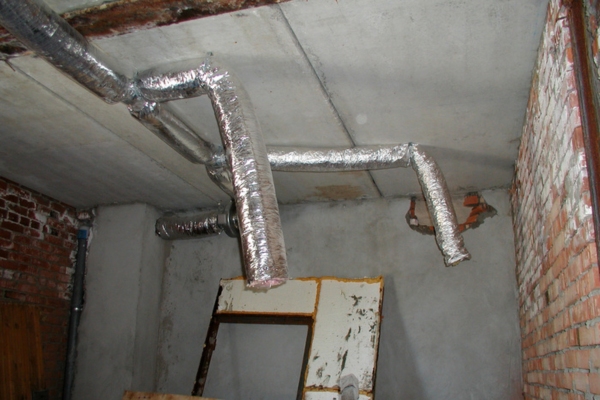
Over time, duct systems can form gaps and fractures. These issues may result from substandard materials, incorrect installation, elevated air pressure, or even rodent activity. Research indicates that approximately one-third to one-half of conditioned air traveling through ductwork escapes in many homes.
This becomes especially concerning for spaces located farthest from the equipment. Warm air produced by the furnace may fail to reach these areas in winter. Occupants may continue to feel chilled regardless of how much the thermostat is adjusted. Identifying and permanently sealing these leaks requires professional expertise. Contact qualified HVAC technicians promptly to address any leaking ductwork.
Improve Indoor Air Quality and HVAC Efficiency: Rely on Lake Region Energy for expert service throughout Maine and New Hampshire. Speak with our team today.
Obstructed HVAC Registers
When a specific room stays uncomfortable despite thermostat changes, start by examining the supply and return registers in that space. Blockages frequently contribute to limited airflow. Sofas positioned over vents, heavy drapes covering grilles, or dampers shut by a prior resident can greatly restrict air movement.
Clear any noticeable obstructions and verify that every register remains completely open. Once these limitations are removed, observe the room’s temperature and airflow patterns. If comfort levels fail to improve, continue assessing potential issues within the HVAC system.
Damper Valve Settings
Every HVAC system includes a method for directing airflow. Many systems use damper valves to regulate air delivery to designated zones. These dampers can restrict or redirect airflow when a room is unoccupied. Some operate manually, while others adjust automatically according to thermostat settings.
Locate any accessible manual dampers and confirm they are set correctly. Adjust the lever as needed to improve balance. If automatic dampers fail to respond properly, contact an HVAC professional to inspect the associated electrical components.
Minimize Equipment Strain and Promote Long-Term Reliability: Schedule HVAC service with Lake Region Energy. Arrange your appointment today.
Compressed Flexible Ductwork
Air duct systems are constructed from various materials. Many installations rely on rigid metal ducting for long-term durability, while flexible plastic ducts are often used at turns or tight connections. Although flexible ductwork offers installation advantages, it is more susceptible to damage.
If someone steps on a flex duct, the pressure can compress it. A collapsed section restricts airflow and reduces system efficiency. When accessible, you may attempt to reshape the duct carefully to restore airflow. If punctures or splits are present, contact an HVAC professional promptly to replace the damaged section.
Incorrectly Sized Duct Systems

HVAC systems consist of interconnected components that must operate in coordination to achieve proper performance. When certain elements are mismatched, operational issues arise. For instance, oversized ductwork can create insufficient airflow to deliver conditioned air to distant areas of the home. It resembles attaching an oversized hose to a small faucet.
An undersized duct system presents an equally serious concern. Ducts that are too narrow can restrict airflow and limit distribution. Proper duct design should be completed by a qualified HVAC contractor who applies load calculations and airflow analysis specific to the home.
Enhance Air Distribution Throughout Your Home: Schedule a comprehensive airflow evaluation with Lake Region Energy. Book your consultation today.
Insufficient Return Air Openings
Air delivered from the furnace or air conditioner to various areas of the home must circulate back to the system. HVAC operation depends on this continuous loop to function properly. When return airflow is inadequate, certain rooms may develop increased air pressure and experience diminished circulation.
If the issue stems from system design limitations, an HVAC professional should evaluate and correct the configuration. When adequate return vents exist but fail to perform efficiently, the underlying cause should be identified and resolved without delay.
Frequently Asked Questions About HVAC Airflow

How Can I Identify Poor HVAC Airflow?
Typical warning signs include weak air output from supply registers, rooms that require extended time to reach desired temperatures, rising energy costs, and abnormal sounds such as whistling or rattling within the duct system. You might also observe prolonged operating cycles without the system reaching the thermostat setting. These conditions frequently indicate static pressure imbalances or airflow obstructions that warrant professional assessment.
Does HVAC Airflow Influence Energy Efficiency?
Yes. When airflow is restricted or uneven, the blower motor must work harder to move conditioned air throughout the system. This raises electrical usage and lowers overall operating efficiency. Extended mechanical stress can also hasten wear on components such as the blower assembly and heat exchanger, resulting in increased long-term operating expenses.
Can Restricted Airflow Harm HVAC Equipment?
Limited airflow can lead to furnace overheating and evaporator coil icing in air conditioning systems. Over time, these issues may contribute to heat exchanger fractures, compressor damage, or early system shutdowns initiated by safety controls. Preserving proper airflow supports reliable operation and extends equipment service life.
Avoid Expensive System Failures Through Proper Airflow Management: Count on Lake Region Energy for trusted HVAC service. Contact our team today.
Can Home Renovations Affect HVAC Airflow?
Yes. Constructing new walls, completing basement spaces, upgrading windows, or modifying interior layouts can alter airflow patterns and pressure relationships within the home. Renovation projects may increase heating and cooling demands or disrupt established return air routes. Following substantial structural updates, a professional airflow assessment helps confirm the system remains balanced and capable of supporting revised comfort requirements.
How Frequently Should HVAC Airflow Be Assessed?
Air circulation should be reviewed as part of yearly heating and cooling maintenance service. Systems that have experienced remodeling, duct alterations, or equipment upgrades may need supplemental testing to verify proper integration and balanced distribution. Routine evaluations support steady comfort and dependable performance throughout the year.
Conclusion
Effective HVAC airflow is critical for sustaining even temperatures, preserving equipment integrity, and managing energy expenses. Obstructions, improper design, or deferred maintenance can interfere with system performance and diminish indoor comfort. Detecting and resolving airflow deficiencies promptly reduces the risk of long-term complications and restores dependable operation throughout the home.
If airflow concerns arise, contact Lake Region Energy for a comprehensive assessment and precise solutions that keep your heating and cooling equipment functioning efficiently across Maine and New Hampshire.
Maintain Peak Heating and Cooling Performance: Select Lake Region Energy for reliable HVAC service. Schedule your evaluation today.
Contact Lake Region Energy for Comprehensive HVAC Services
Lake Region Energy delivers dependable heating and cooling solutions throughout Maine and New Hampshire. Our team of certified HVAC professionals provides thorough tune-ups, accurate repairs, quality installations, and complete system replacements. Each technician brings the training and field experience necessary to service all major HVAC makes and models correctly.
We are committed to fair, competitive pricing for heating and cooling services across our service area. Our maintenance services are designed to strengthen comfort, enhance energy efficiency, and help lower household heating and cooling expenses. When repairs or full system replacements are required, we recommend solutions that align with your home’s needs and financial considerations.
All services are supported by our commitment to customer satisfaction. To arrange a service visit or request an in-home estimate, contact Lake Region Energy today.
For more information about our HVAC services and fuel deliveries, be sure to contact Lake Region Energy. You can click here to contact us, or you can call us at (207) 839-5500 to find out more. We offer a full line of heating and cooling repairs, maintenance services, and installations. Click the link to view our service area.

Related Articles: