
On a hot summer day, few air conditioning problems are more frustrating than discovering your system is running but barely cooling your home. A frozen AC coil can restrict airflow, reduce cooling performance, and place unnecessary strain on your air conditioner.
Knowing how to unfreeze AC coils can help you respond safely and prevent additional system damage. This article covers seven steps for thawing frozen air conditioner coils, common causes of coil freeze-ups, and when the problem requires professional HVAC service.
Frozen AC Coil: What You Need To Know
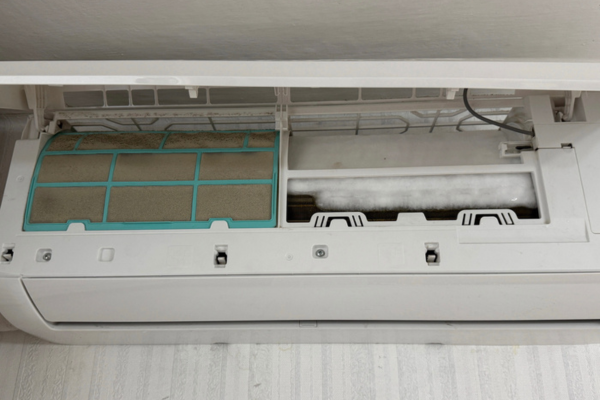
Before addressing a frozen AC coil, it helps to understand why ice forms and how it affects your cooling system. Recognizing the underlying causes and warning signs can help you take the appropriate steps to restore proper AC operation.
What Is an Air Conditioning Coil?
An air conditioner uses two main coils to transfer heat: the indoor evaporator coil and outdoor condenser coil. The evaporator coil contains refrigerant that absorbs heat from indoor air, while the condenser coil releases that heat outdoors. If the evaporator coil freezes, airflow and heat transfer become restricted, reducing cooling performance and potentially straining the system.
Signs You Have a Frozen Air Conditioner Evaporator Coil
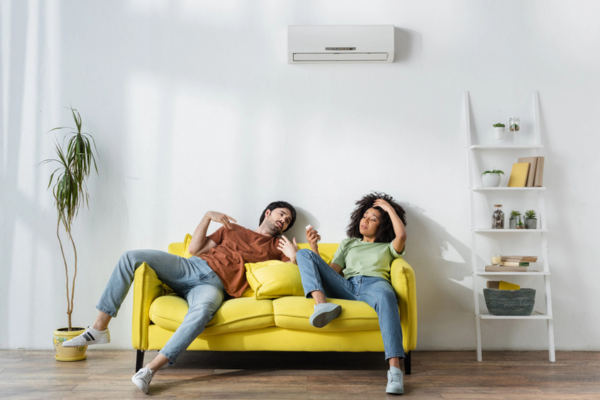
A frozen evaporator coil can interfere with airflow and prevent your air conditioner from cooling effectively. Common warning signs include:
- AC Runs Without Cooling Your Home: The system operates for extended periods but struggles to lower the indoor temperature.
- Warm or Weak Airflow From Vents: Ice buildup can restrict airflow and reduce the system’s ability to cool.
- Visible Ice on the Evaporator Coil: Frost or ice around the indoor coil is a clear indication of a freeze-up.
- Indoor Temperature Does Not Match the Thermostat Setting: Reduced cooling capacity may prevent the system from reaching the desired temperature.
- Ice on the Refrigerant Lines: Frost or ice may appear on the insulated refrigerant line near the indoor or outdoor unit.
- Water Near the Indoor Unit or Drain Pan: As the ice melts, excess water may overwhelm the condensate drainage system and cause pooling or leaks.
What Are the Dangers of Frozen AC Coils?
Continuing to operate an air conditioner with a frozen evaporator coil can place excessive strain on the system and lead to costly damage. Potential problems include:
- Compressor damage caused by abnormal operating conditions.
- Reduced airflow and cooling as ice blocks the evaporator coil.
- Water leaks as accumulated ice melts and overwhelms the drainage system.
- Higher energy consumption as the AC runs longer to reach the desired temperature.
- Additional strain on the blower and other system components.
How To Unfreeze AC Coils in 7 Steps
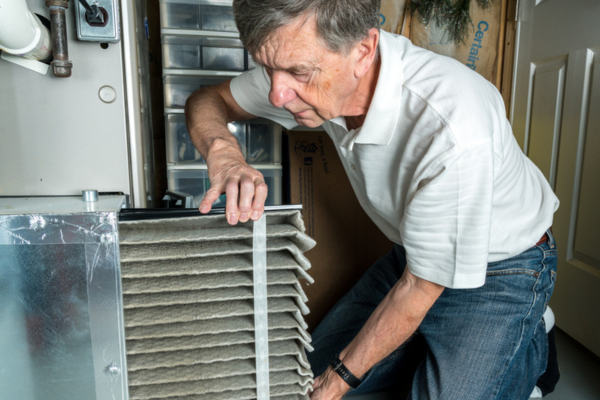
If you discover ice on your evaporator coil, continuing to run the air conditioner can worsen the problem and potentially damage the system. Follow these seven steps to thaw the coil safely and determine whether professional HVAC service is needed.
1. Turn Off the Air Conditioner
Switch the thermostat from cooling mode to off as soon as you notice signs of a frozen evaporator coil. Stopping the cooling cycle prevents additional ice buildup and reduces the risk of damage to the compressor and other components.
2. Allow the Evaporator Coil To Thaw
Give the ice time to melt naturally. Depending on the amount of ice buildup and indoor conditions, complete thawing may take several hours or longer. Never chip, scrape, or pry ice from the coil, as the fins and refrigerant tubing can be easily damaged.
3. Check the HVAC Air Filter
Inspect the air filter for excessive dust and debris. A clogged filter restricts airflow across the evaporator coil, which can cause the coil temperature to drop below freezing. Replace a dirty disposable filter or clean a reusable filter according to the manufacturer’s instructions.
4. Use the Fan-Only Setting
If the system allows it and there are no signs of electrical or mechanical problems, set the thermostat fan to “On” while keeping cooling turned off. Moving room-temperature air across the coil can help speed up thawing. If the blower is not operating properly, leave the system off and contact an HVAC technician.
5. Check for Airflow Restrictions
Make sure supply and return vents are open and unobstructed by furniture, rugs, curtains, or other objects. Restricted airflow can contribute to evaporator coil freezing and may cause the problem to return after the ice melts.
6. Allow the Coil and Surrounding Area To Drain
Melting ice can produce a significant amount of water. Check around the indoor unit for pooling water and make sure the condensate drainage system is not overflowing. Avoid restarting the AC until the coil has completely thawed.
7. Schedule Professional HVAC Service in Maine and New Hampshire
Once the coil has thawed, professional service may be necessary to determine why it froze. Dirty coils, blower problems, duct restrictions, refrigerant issues, and other mechanical faults can all contribute to freezing. Refrigerant and internal HVAC repairs should always be handled by a qualified technician.
FAQs: Frozen AC Coil

Can High Indoor Humidity Make an Air Conditioner Coil Freeze?
High humidity does not typically cause evaporator coil freezing by itself, but it increases the amount of moisture the air conditioner must remove. When combined with insufficient airflow or an excessively cold coil, more condensation can freeze on the coil and contribute to heavier ice buildup.
Can a Frozen AC Coil Affect Indoor Air Quality?
It can indirectly affect indoor air quality. Persistent moisture around the evaporator coil and drain system can create conditions that support microbial growth, particularly when drainage or maintenance problems are present. Routine HVAC maintenance helps keep the coil and condensate system clean and operating properly.
Are Frozen Air Conditioning Coils More Common During Certain Weather Conditions?
Yes. Coil freezing can become more likely when an air conditioner operates during unusually cool outdoor conditions, particularly when the system is not designed for low-ambient cooling. Standard residential AC systems should generally be operated within the manufacturer’s recommended outdoor temperature range.
How Can I Tell the Difference Between Frost and Normal Condensation?
Condensation normally appears as water droplets on cold HVAC surfaces and drains away through the condensate system. Frost or ice appears as a visible white layer or solid ice buildup on the evaporator coil or refrigerant line and indicates that part of the system has dropped below freezing.
Can Cooling System Maintenance Help Prevent Evaporator Coil Freeze-Ups?
Yes. Routine professional maintenance can identify dirty coils, airflow problems, blower issues, drainage concerns, and other conditions that may contribute to freezing. Regular inspections can help address developing problems before they cause cooling interruptions or equipment damage.
Conclusion
A frozen evaporator coil can reduce cooling performance, restrict airflow, and potentially damage important AC components if the system continues running. Turning off cooling, allowing the coil to thaw completely, checking the air filter and airflow, and addressing the underlying cause can help protect your system from further problems.
If your AC coil repeatedly freezes or you cannot determine the cause, contact Lake Region Energy for professional HVAC service in Maine and New Hampshire. Our experienced technicians can diagnose the problem, restore proper operation, and help keep your air conditioner running reliably throughout the cooling season.
Contact Lake Region Energy for Professional HVAC Services in Maine and New Hampshire
Lake Region Energy provides dependable heating and cooling services throughout Maine and New Hampshire. Our certified HVAC technicians handle routine maintenance, system diagnostics, repairs, installations, and replacements to help keep your equipment operating safely, efficiently, and reliably.
We offer competitive pricing and practical recommendations based on your home’s comfort needs, system condition, and budget. Whether you need preventative maintenance, an unexpected repair, or a complete HVAC replacement, our team provides professional solutions backed by a commitment to customer satisfaction. Contact Lake Region Energy today to schedule HVAC service or request an in-home consultation.
For more information about our HVAC services and fuel deliveries, be sure to contact Lake Region Energy. You can click here to contact us, or you can call us at (207) 839-5500 to find out more. We offer a full line of heating and cooling repairs, maintenance services, and installations. Click the link to view our service area.

Related Articles:
- Air Conditioning Health Effects: How Your Cooling System Impacts Well-Being
- What Temperature To Set Air Conditioner In Summer: A Homeowner’s Guide
- Air Conditioning Safety Tips to Prevent Common HVAC Hazards
- Air Conditioning Scams That Could Cost You Thousands
- Air Conditioner Replacement Company: Important Factors To Consider