
To read your heating oil tank gauge, locate the gauge on top of the tank and check where the indicator sits between the marked levels, typically Full, 3/4, 1/2, 1/4, and Empty. This reading shows approximately how much heating oil remains and helps you determine when to schedule a delivery. Checking the gauge regularly can reduce the risk of running out of fuel during cold weather.
This article explains how float gauges work, how to read them accurately, how to estimate the gallons remaining in your tank, and what steps to take if the gauge becomes faulty so you can plan timely deliveries with confidence.
Easy Ways to Read and Understand Your Oil Tank Gauge in ME and NH
Knowing how your oil tank gauge operates helps you manage your heating system effectively and prevent unexpected fuel shortages. Understanding the essentials makes monitoring fuel levels simple while helping your home stay warm and comfortable throughout winter.
How a Float Gauge Operates

A typical residential oil tank relies on a straightforward float-and-arm assembly to estimate the amount of fuel remaining inside. Knowing how these components function can help you interpret the gauge reading more reliably.
- Float: The float sits on the heating oil surface and rises or falls as the amount of fuel in the tank changes.
- Hinged Arm: This arm links the float with the gauge, transferring its movement to the indicator as the fuel level changes.
- Dial Indicator: The indicator displays the estimated fuel level through common markings, including F for full, ¾, ½, ¼, and E for empty.
- Clear Cover: A transparent cover shields the dial from moisture and debris while keeping the fuel-level reading easy to see.
If the cover becomes cracked or cloudy, or the indicator appears stuck, the gauge may provide an unreliable reading. Contact a qualified technician from Lake Region Energy to inspect or replace the gauge and restore dependable operation.
Locate Your Oil Storage Tank and Gauge
Heating oil tanks are commonly located in basements, utility rooms, garages, or outdoors, while some homes have underground tanks. Aboveground steel tanks typically have a fill pipe, vent pipe with an alarm, oil lines, and a gauge on top.
A common aboveground tank holds about 275 gallons but is not filled completely, leaving room for fuel expansion. If you have an underground tank, never remove caps or insert objects into openings. Contact a professional technician for safe, accurate measurement and inspection.
How to Check Your Fuel Tank Gauge Accurately

Reading your heating oil gauge correctly gives you a reliable estimate of the fuel remaining in your tank. Use these straightforward steps for an accurate reading:
- View the dial straight on. Position yourself level with the gauge to prevent viewing-angle errors that could affect the reading.
- Check the center of the indicator. Match the middle of the disc with the closest marking, such as F, ¾, ½, ¼, or E.
- Verify with a light tap. Gently tap the gauge housing if the indicator seems stuck to help release the float, but never hit the tank itself.
What to Do When the Gauge Stops Working
If your heating oil tank gauge is faulty, there are several safe ways to monitor your remaining fuel. For accessible aboveground tanks, a calibrated dipstick can be inserted through the inspection port. Mark the stick at the full level after a delivery, then compare future readings as the oil level decreases.
Another option is an electronic tank monitor. These devices use ultrasonic or cellular technology to track fuel levels and send low-fuel alerts to your phone or computer.
You can also ask Lake Region Energy about automatic delivery, which estimates fuel consumption using weather patterns and schedules refills before your supply runs low. Never manually measure an underground tank. Contact a licensed technician for safe inspection or measurement.
Practical Fuel Monitoring Habits
Consistent monitoring can help you manage heating oil use efficiently and prevent unexpected shortages. Follow these simple practices throughout the heating season:
- Check your gauge weekly during winter and after periods of increased heating to monitor remaining fuel.
- Maintain a delivery log with refill dates and gallons delivered to track consumption over time.
- Record thermostat settings, severe weather, and household activity, since colder temperatures or additional guests may increase fuel use.
- Remove snow, ice, and debris around outdoor tanks, fill pipes, and vent pipes to maintain safe access for deliveries and inspections.
These simple habits can improve organization, support efficient fuel use, and maintain reliable comfort throughout the season.
When to Arrange Your Next Oil Delivery in Maine and New Hampshire
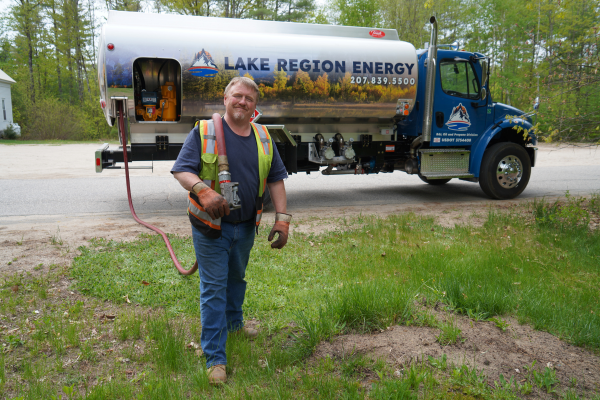
To prevent heating disruptions, schedule a heating oil delivery when your gauge reaches about one-quarter full. Larger households or homes with higher fuel usage may benefit from ordering earlier to maintain reliable comfort.
If you are unsure how quickly you use fuel, Lake Region Energy offers automatic delivery and tank monitoring options that help track consumption and support timely refills throughout the heating season.
FAQs: Heating Oil Tank Gauges

How Reliable Are Fuel Oil Float Gauges?
Float gauges provide estimates rather than exact measurements. Tank shape, positioning, and sediment buildup can influence the reading. Homeowners seeking more precise information can use smart tank monitors, which rely on sensors to provide digital fuel-level readings and low-fuel notifications.
Can Severe Weather Change Your Oil Gauge Reading?
Yes. Shifts in temperature can cause heating oil to expand or contract, resulting in minor changes to the gauge reading. During very cold conditions, the float may also respond more slowly. Monitor fuel levels consistently over several days rather than relying on one reading during extreme weather.
When Should a Heating Oil Tank Gauge Be Replaced?
Many float gauges can remain functional for roughly 10 to 15 years. However, condensation, corrosion, sediment, or normal wear may eventually cause sticking or unreliable readings. Replacing an aging, damaged, or cloudy gauge during routine tank service can help maintain dependable fuel monitoring.
What Can Occur When Your Oil Supply Runs Out?
When your heating oil supply is depleted, air can enter the fuel lines and cause the burner to shut down. A technician may need to bleed the lines and restart the system. Running out of fuel can also disturb accumulated sediment, potentially clogging filters or affecting the burner nozzle.
How Can You Reduce Fuel Oil Use During Winter?
Improve heating efficiency by sealing drafts, upgrading insulation, and cleaning or replacing furnace filters as recommended. Maintaining consistent thermostat settings and scheduling annual heating system maintenance can also reduce unnecessary fuel consumption while keeping your home reliably warm throughout the winter.
Conclusion
Understanding your tank capacity, checking the gauge at eye level, and converting its reading into estimated gallons can help you manage your heating oil supply more reliably. Schedule a delivery when the gauge approaches one-quarter full to help prevent runouts. If readings appear inconsistent, request a professional inspection or consider a tank monitor for more accurate tracking.
Stay prepared for winter with Lake Region Energy. Ask about automatic delivery, tank monitoring options, and dependable heating oil delivery throughout Maine and New Hampshire.
Contact Lake Region Energy for Dependable Heating Oil Delivery
Lake Region Energy provides reliable heating oil delivery to homes and businesses across Maine and New Hampshire, helping customers maintain consistent warmth throughout the winter. We supply quality heating oil with timely service, making it easier to keep your property comfortable during cold weather.
Our customer-focused approach includes straightforward pricing, flexible delivery options, and convenient financing solutions suited to your needs. Each customer receives responsive service designed to support a dependable fuel supply throughout the heating season.
Lake Region Energy also provides comprehensive HVAC services, including system installation, routine maintenance, and emergency repairs for year-round comfort. Contact Lake Region Energy today to arrange your next heating oil delivery or learn more about keeping your home warm and energy efficient this winter.
For more information about our fuel deliveries and HVAC services, be sure to contact Lake Region Energy. You can click here to contact us, or you can call us at (207) 839-5500 to find out more. We offer a full line of heating and cooling repairs, maintenance services, and installations. Click the link to view our service area.

Related Articles:
- The Benefits of Partnering with a Local Heating Oil Supplier
- Cold Weather Protection: Heating Oil Tank Winter Preparation Explained
- Winter Heating Oil Myths That Still Mislead Homeowners
- The Best Ways To Prevent Running Out Of Heating Fuel This Winter
- Smart Ways To Make Your Home Heating Oil Last Longer