
Have you noticed your lights flickering when AC turns on? You’re not alone. A slight momentary dimming when an AC system powers on is usually expected. However, frequent, prolonged, or pronounced flickering can indicate an electrical or HVAC issue that should be professionally evaluated.
In this article, you’ll learn why lights may flicker when your air conditioner starts, how to tell when the behavior is considered normal, and what actions can help restore safe, reliable system performance.
How Your Air Conditioner Impacts Your Home’s Electrical System
Each time your air conditioner starts, it creates one of the highest electrical demands within your home’s power system. Understanding how this startup process temporarily affects voltage can help you distinguish normal operation from warning signs of an electrical or HVAC issue that may require professional attention.
Should Lights Flicker When the Air Conditioner Starts?
A slight flicker or brief dimming of your lights when the air conditioner starts is common in many homes. As the compressor begins operating, it temporarily requires a high amount of electrical current, causing a short-lived voltage dip throughout the home’s electrical system. Once the compressor reaches full operating speed, the electrical demand levels off, and the lights usually return to normal brightness within moments.
The degree of dimming depends on the type of cooling system installed. Conventional central air conditioning systems often create a higher startup electrical load than geothermal systems. However, if the lights dim heavily, flicker repeatedly, or remain dim for longer than a moment, the system should be inspected by a qualified HVAC or electrical professional.
Common Reasons for Excessive Light Flickering

Although a slight dimming of the lights is often expected, frequent or pronounced flickering may indicate a problem that requires professional evaluation. Several HVAC and electrical issues can cause larger or more frequent voltage fluctuations.
- Overloaded Electrical Circuits: When the air conditioner operates on the same circuit as other high-powered appliances, the electrical load during startup may exceed the circuit’s capacity, resulting in noticeable light flickering and increased system strain.
- Deteriorating or Faulty Wiring: Loose electrical connections, aging wires, or damaged components can lead to unstable voltage throughout the home. Flickering lights are often among the earliest signs of these electrical problems.
- Insufficient Incoming Voltage: Problems with the utility supply, electrical transformer, or the home’s incoming power service can lower available voltage, causing lights to dim whenever the air conditioner starts.
- Weak AC Capacitor: The capacitor supplies the power needed to start the compressor. As it wears out or begins to fail, the compressor requires greater startup effort, which can result in more noticeable light dimming.
Warning Signs of a More Serious Issue
A brief light flicker when the air conditioner starts is generally considered normal, but pronounced or persistent dimming should never be overlooked. If your lights noticeably dim every time the AC starts or continue flickering while the system is operating, an underlying electrical or HVAC problem may be present. Under normal conditions, the lights should return to full brightness shortly after the compressor reaches normal operating speed.
Additional warning signs include circuit breakers that trip repeatedly, which may indicate overloaded circuits, electrical defects, or failing equipment. Changes in your air conditioner’s performance can also signal a more significant problem. Hard starting, weaker cooling, unusual sounds, or extended cooling cycles may indicate failing HVAC components that are placing extra demand on the electrical system and should be professionally inspected as soon as possible.
How Professionals Correct the Problem
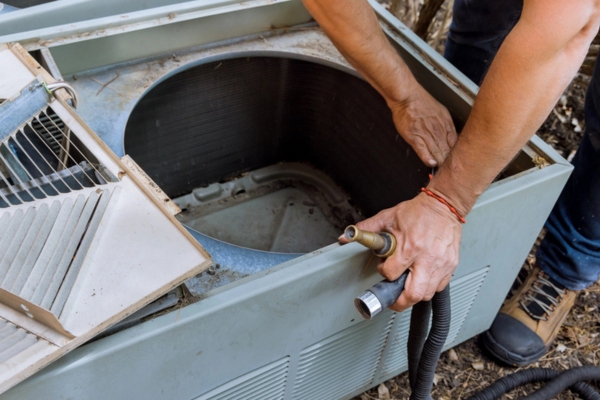
Fixing excessive light flickering starts with a complete inspection of the home’s electrical system. A licensed electrician can evaluate the wiring, circuits, breakers, and electrical panel to locate voltage drops, overloaded circuits, or other power supply issues. In older homes, improvements such as upgrading the electrical panel, replacing outdated wiring, or installing additional circuits may be needed to handle the demands of today’s air conditioning systems safely.
HVAC upgrades can also reduce electrical strain during startup. Installing a hard start kit helps reduce the power the compressor needs to start, thereby reducing temporary voltage drops.
In certain situations, placing the air conditioner on a dedicated circuit provides a consistent power supply without affecting lights or other household appliances. Professionals may also recommend voltage-regulation equipment if ongoing power fluctuations are affecting the overall performance of the home’s electrical system.
Why Electrical and HVAC Repairs Are Best Left to Professionals
Electrical and HVAC repairs involve hazards that should never be taken lightly. High-voltage equipment can cause severe injury, electrical shock, or even fires if handled incorrectly. Many problems that lead to flickering lights may appear identical at first but are actually caused by different electrical faults or HVAC component failures.
Licensed professionals use specialized diagnostic equipment and proven testing methods to determine the source of the problem accurately. Proper diagnosis helps prevent unnecessary repairs, protects important system components, and ensures every repair meets current electrical and safety codes. Addressing the issue correctly the first time can also help avoid more extensive and costly repairs later.
Although some problems require professional repairs, homeowners can take several preventive measures to reduce electrical strain and minimize flickering lights and other air conditioning-related concerns:
- Schedule Regular HVAC Maintenance: Routine service visits can detect weakening capacitors, aging electrical parts, and compressor problems before they affect system reliability or overall performance.
- Upgrade Aging Electrical Components: Older electrical panels, breakers, and wiring may no longer support the demands of modern cooling equipment and should be professionally evaluated from time to time.
- Prevent Circuit Overloading: Reducing the number of high-powered appliances operating at the same time can lessen the electrical load placed on your home’s circuits.
- Respond to Warning Signs Early: Flickering lights, repeatedly tripped breakers, unusual air conditioner sounds, and uneven cooling should be professionally inspected before they lead to larger, more expensive repairs.
Frequently Asked Questions About Lights Flickering When AC Turns On

Can a Smart Thermostat Minimize Light Flickering?
Sometimes. A smart thermostat can reduce unnecessary system cycling by managing when the air conditioner starts and stops more efficiently. With fewer startup cycles, your home’s electrical system experiences fewer sudden power demands. However, a smart thermostat will not resolve underlying electrical issues or repair failing HVAC equipment.
Can Hot Weather Make Lights Flicker More When the Air Conditioning Starts?
Yes. During periods of extreme heat, an air conditioner must work harder and often draws more power when starting, especially if the system is older or operating inefficiently. As a result, temporary voltage drops may become more noticeable, making light flickering more apparent than during cooler weather.
Can Utility Power Problems Cause Lights to Flicker When the Cooling System Starts?
Yes. Issues with your electric utility can sometimes contribute to light flickering. Aging transformers, increased neighborhood power demand, damaged utility lines, or fluctuations within the electrical grid can reduce the voltage supplied to your home. When the air conditioner starts and draws additional power, these supply problems may become more noticeable, causing visible light dimming.
Which Homes Are More Prone to Light Flickering When the AC Turns On?
Older homes are generally more likely to experience this issue because they may have aging electrical panels, outdated wiring, or electrical systems that were not designed to handle the demands of modern air conditioning equipment. Homes that have undergone multiple electrical additions or renovations over the years may also be more susceptible to noticeable voltage drops when the AC starts.
Can Repeated Voltage Fluctuations Reduce the Lifespan of Household Appliances?
Yes. Ongoing voltage drops and electrical fluctuations can place extra stress on motors, compressors, electronic control boards, and other sensitive components. Over time, this added strain may reduce operating efficiency, accelerate component wear, and shorten the service life of many household appliances.
Conclusion
Lights may briefly flicker when an air conditioner starts because the compressor temporarily draws a large amount of electricity, making short-lived dimming a normal occurrence in many homes. However, frequent or severe flickering can indicate overloaded circuits, electrical wiring problems, low voltage, or failing HVAC components that should not be ignored. Prompt attention can help protect your air conditioning system and your home’s electrical infrastructure.
If your lights noticeably dim whenever your air conditioner starts, contact Lake Region Energy today. Our experienced technicians will find the source of the problem and provide dependable solutions that enhance safety, restore reliable performance, and improve your home’s overall comfort.
Contact Lake Region Energy for Trusted Heating and Cooling Services
Homeowners rely on Lake Region Energy for professional HVAC services throughout Maine and New Hampshire, delivering dependable comfort in every season. Our skilled technicians handle routine maintenance, repairs, complete system installations, replacements, and performance assessments. Every job is completed with careful attention to quality, lasting reliability, and exceptional customer care.
Our goal is to help you maintain a comfortable home while improving energy efficiency and controlling operating costs. Preventative maintenance keeps your system running efficiently, while our repair and replacement recommendations are customized to fit your home’s specific needs and budget. Whether you need fast repairs or are planning to upgrade your HVAC equipment, our team is ready to provide reliable solutions.
Contact Lake Region Energy today to schedule HVAC service or request an in-home estimate. We are focused on providing dependable heating and cooling solutions that keep your home comfortable throughout the year.
For more information about our HVAC services and fuel deliveries, be sure to contact Lake Region Energy. You can click here to contact us, or you can call us at (207) 839-5500 to find out more. We offer a full line of heating and cooling repairs, maintenance services, and installations. Click the link to view our service area.

Related Articles:
- Air Conditioning Safety Tips to Prevent Common HVAC Hazards
- Air Conditioning Scams That Could Cost You Thousands
- Air Conditioner Replacement Company: Important Factors To Consider
- Comparing Central Air, Ductless Mini-Splits, and Window AC Units
- The Biggest Advances In HVAC Technology Over The Last Decade