
Water in oil tank can create serious problems, leading to expensive repairs and reduced heating system performance. At Lake Region Energy, a trusted heating oil provider serving Maine and New Hampshire, we help homeowners identify the causes of water in oil tanks and offer dependable solutions that protect equipment and support reliable home heating.
This article explains the most common causes of water contamination in heating oil tanks, including condensation, damaged tank components, and moisture intrusion from outside. It also outlines practical ways to protect fuel quality, reduce the risk of expensive repairs, and keep your heating system running efficiently year-round.
How Does Water Get Into a Heating Oil Tank?
Water can enter a heating oil tank from several sources, and recognizing these causes is essential to preventing system damage. Understanding how moisture reaches your tank makes it easier to protect fuel quality and address potential problems before they become more serious.
Condensation Inside an Outdoor Heating Oil Storage Tank

Condensation in an outdoor heating oil tank occurs when warm surrounding air meets the tank’s cooler surface, causing vapor to condense into water. This condition is especially common when there is a noticeable temperature difference between the surrounding air and the tank itself.
In addition, humid air occupying the empty space above the heating oil forms a moisture-rich pocket that encourages repeated condensation cycles, steadily increasing water accumulation.
Limited airflow around the tank can worsen the issue by allowing damp air to remain against the tank walls instead of dispersing. As condensation accumulates over time, internal moisture buildup may contaminate the heating oil and reduce the heating system’s overall efficiency.
Damaged Fuel Oil Tank: Worn or Missing Fill and Vent Caps
A damaged heating oil tank with a worn filler cap seal or faulty vent caps can allow moisture to contaminate the fuel. Deteriorated gaskets around the fill opening create pathways for rainwater and melting snow to enter, allowing outside moisture to seep into the tank.
Loose, damaged, or missing vent caps on the tank vents and fill openings further increase the likelihood of water intrusion. These openings allow humid air and moisture to enter the tank, eventually contaminating the heating oil.
When zinc flappers become clogged, rusted, or damaged, they can no longer prevent moisture from entering the tank, increasing the risk of long-term deterioration. Routine inspections of tank vents, caps, and seals help reduce moisture intrusion and protect fuel quality.
Structural Cracks and Weld Failures in Oil Tanks
Corrosion is one of the leading causes of structural damage in heating oil tanks. Rust forming beneath paint or protective coatings can create pinholes and cracks that allow moisture to enter the tank and contaminate the heating oil. Weld seam failures are another common issue, as stress along factory seams and repaired welds may eventually develop cracks that increase the risk of leaks.
Mechanical damage, including accidental impacts or settling foundations, can also fracture the tank walls. Structural problems such as corrosion cracks and leaking weld seams weaken the tank, allowing moisture intrusion that may result in fuel contamination, reduced system reliability, and expensive repairs.
External Water Infiltration Into an Outdoor Heating Oil Tank
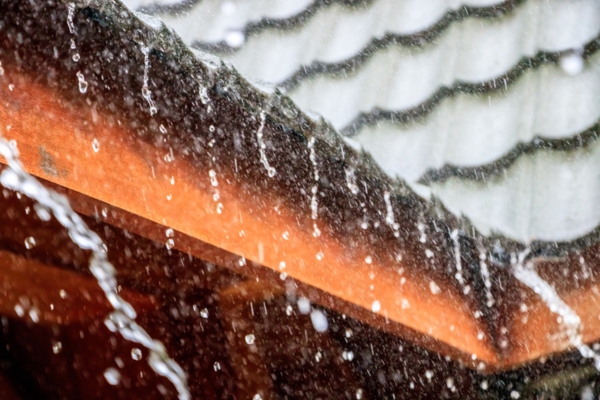
External water can enter a heating oil tank through several pathways, resulting in fuel contamination. Basement flooding or heavy rainfall may surround the tank, allowing water to enter through damaged seals, openings, or other vulnerable areas.
For underground tanks, rising groundwater levels can force moisture through unsealed tank walls, creating significant contamination risks. Poor drainage around the tank, often caused by improper grading or ineffective gutter systems, can make the problem worse by allowing water to collect near the tank. Standing water increases the likelihood of moisture intrusion and leaks. Maintaining proper drainage around the heating oil tank is essential for protecting fuel quality and preventing contamination.
Environmental and Site Conditions
Environmental and site conditions play a major role in moisture entering heating oil tanks. Regions with consistently high humidity, including coastal areas, expose tanks to greater moisture levels that can increase condensation. Tanks installed near moisture-producing areas inside the home, such as laundry rooms or bathrooms, are also more likely to experience condensation caused by elevated indoor humidity.
Seasonal temperature fluctuations further increase condensation as rapid changes between warm and cold conditions cause water vapor to collect on the tank’s surfaces. Understanding how climate conditions and indoor humidity contribute to moisture buildup helps homeowners protect fuel quality and reduce the risk of internal water contamination.
Effects of Water Contamination in a Home Heating Oil Tank
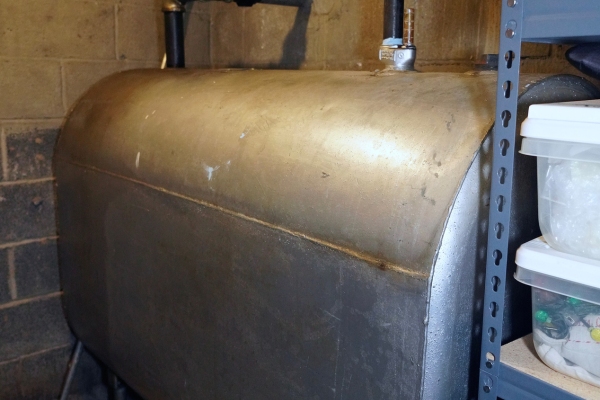
Water contamination in a heating oil tank can cause serious problems for the tank and the heating system. The most common consequences include:
- Microbial Growth and Sludge Formation: Water collecting at the bottom of the tank creates an environment where microbes, often called the “diesel bug,” can multiply. These microorganisms grow in the water and produce sludge that clogs fuel filters, restricts fuel flow, and interferes with normal system operation.
- Oil Tank Corrosion and Pitting: Moisture trapped inside the tank speeds up internal rust formation, resulting in corrosion and pitting along the tank walls. Over time, this weakens the tank’s structure, increases the risk of leaks, and reduces its long-term reliability through ongoing corrosion damage.
- Heating Equipment Performance Problems: Water contamination can clog filters, cause burner misfires, and lower overall heating efficiency. These issues reduce system performance, increase the likelihood of service calls, and raise maintenance costs. Water-contaminated fuel is a common cause of heating system operating problems.
Preventive Measures and Professional Maintenance
Taking proactive steps to maintain your fuel oil tank helps reduce the risk of water contamination and supports long-term heating system performance. Following these preventive maintenance practices can minimize costly problems and keep your tank operating efficiently, including:
- Maintain Proper Heating Oil Levels: Keep your tank at least 80% full to reduce empty space where moisture can collect and condense. Limiting the amount of air inside the tank helps lower the risk of water accumulation.
- Install Quality Tank Breathers and Filters: Adding desiccant breathers and water-separating filters to the fill and fuel lines helps remove moisture before it reaches the tank. These components improve fuel quality by reducing the chance of water contamination.
- Schedule Routine Oil Tank Inspections: Regular professional inspections are essential to identify worn seals, damaged vents, and structural issues before they lead to contamination or costly repairs. Ongoing maintenance helps protect your tank and heating system.
Water in Oil Tank: Frequently Asked Questions

How Do Professionals Check for Water Inside an Underground Oil Tank?
Heating oil professionals use specialized equipment, including water-detecting paste applied to dipsticks and electronic moisture probes, to identify water collecting inside underground tanks without excavation. These diagnostic methods accurately locate water at the bottom of the tank, allowing contamination to be addressed before it affects fuel quality or reaches the heating system.
Can Water Inside a Fuel Oil Tank Harm My Heating System?
Yes. Even small amounts of water can encourage microbial growth, often called the “diesel bug,” which produces sludge that clogs fuel filters and restricts fuel flow. Water contamination can also corrode pump seals, burner components, and nozzle assemblies, causing misfires, reduced combustion efficiency, and potentially costly repairs or equipment failure if the problem is not addressed.
What Are the Common Signs of Water Contamination in a Heating Oil Tank?
Watch for these warning signs:
- Cloudy or Separated Fuel Samples: A fuel sample collected in a clear container may show visible water, sediment, or distinct layers at the bottom.
- Repeated Fuel Filter Clogging: Filters that clog quickly, even after replacement, often indicate water contamination, sludge buildup, or microbial growth.
- Yellow or Soot-Producing Burner Flame: Water-contaminated fuel can affect combustion, resulting in an unstable flame, excess soot, or smoky exhaust.
- Irregular Burner Operation: Hard starts, short cycling, or inconsistent burner performance may indicate that water is disrupting proper fuel delivery.
What Maintenance Steps Help Protect an Oil Tank From Moisture?
- Keep the Tank Full: Maintain the heating oil level at 80% to 90% to reduce the air space where condensation can develop.
- Improve Ventilation and Insulation: Use dehumidifiers or exhaust fans in the tank area and add insulation to limit temperature fluctuations.
- Install Moisture-Control Devices: Desiccant breathers and water-blocking filters help prevent moisture from entering the tank and fuel lines.
- Use Approved Fuel Additives: Anti-condensation and biocide additives help control water and microbial growth when used according to manufacturer recommendations.
Are Modern Heating Oil Storage Tanks Better at Preventing Water Intrusion Than Older Models?
Yes. Newer heating oil tanks commonly feature seamless construction, corrosion-resistant interior coatings, and improved vent cap designs with built-in moisture protection. These upgrades help reduce condensation and water intrusion compared to older steel or uncoated tanks, lowering the risk of fuel contamination and extending tank service life.
Conclusion
Water can enter a heating oil tank through condensation, damaged caps, structural defects, and poor drainage conditions. These problems can contaminate heating oil and reduce system performance, making preventive maintenance essential for dependable operation. Routine inspections and timely service help minimize costly damage while keeping your heating oil tank in reliable condition.
If you suspect water contamination in your heating oil tank, contact Lake Region Energy serving Maine and New Hampshire for a thorough tank inspection, dependable heating oil service, and professional solutions. Our experienced team is focused on protecting your heating system and keeping it operating efficiently throughout the heating season.
Contact Lake Region Energy for Trusted Heating Oil Delivery Services
Lake Region Energy provides dependable heating oil delivery to homes and businesses throughout Maine and New Hampshire, helping customers stay warm and comfortable all winter. We deliver high-quality heating oil with prompt, reliable service, competitive pricing, and straightforward communication, making it easy to manage your heating needs with confidence.
To better meet your needs, we offer flexible heating oil delivery plans and financing options tailored to your household or business. Our personalized approach helps ensure a dependable fuel supply throughout the heating season.
In addition to heating oil delivery, Lake Region Energy provides a comprehensive range of HVAC services, including system installations, preventive maintenance, and responsive repair solutions. Our team supports all aspects of your home comfort with reliable, professional service.
When you choose Lake Region Energy, you partner with a trusted local provider known for dependable service, technical expertise, and customer-focused care. Get in touch with us today to schedule your heating oil delivery or request a consultation.
For more information about our fuel deliveries and HVAC services, be sure to contact Lake Region Energy. You can click here to contact us, or you can call us at (207) 839-5500 to find out more. We offer a full line of heating and cooling repairs, maintenance services, and installations. Click the link to view our service area.

Related Articles:
- The Benefits of Partnering with a Local Heating Oil Supplier
- Cold Weather Protection: Heating Oil Tank Winter Preparation Explained
- Winter Heating Oil Myths That Still Mislead Homeowners
- The Best Ways To Prevent Running Out Of Heating Fuel This Winter
- Smart Ways To Make Your Home Heating Oil Last Longer