
As winter nears, households start making preparations to face the colder weather. At Lake Region Energy, we know that the heating system is one of the most important parts of this process, particularly in regions where winters are severe. The oil heating radiator stands out as a central component within hydronic heating systems.
This article explores the role of these radiators and provides essential steps to ensure they are ready for dependable performance throughout the season.
Keep Your Home Cozy: Arrange your heating oil delivery with Lake Region Energy and book a heating service today to enjoy reliable comfort and efficiency all winter. Call us now!
Radiators in Hydronic Heating Systems
Originating in the late 1800s, the oil heating radiator in a hydronic setup functions by moving hot water through its system, releasing warmth into the room for reliable, even comfort. These units are known for their energy efficiency, contribute to lower carbon emissions for a greener option, and can deliver long-term savings on heating expenses.
Be Ready for the Cold: Secure your heating oil supply and schedule professional service with Lake Region Energy to maintain peak warmth and performance throughout the season. Contact us today!
Preparing Your Radiator for Winter
Keeping your home warm and comfortable during the winter months is essential. A key part of achieving this is ensuring your hydronic heating system, particularly the oil heating radiator, is properly prepared to deliver efficient performance all season long.
Function of Radiators in Hydronic Heating
Hydronic heating systems are valued for delivering efficient energy use and steady indoor warmth. The oil heating radiator is a crucial element, serving as the point where heated water releases its energy into the living space.
Gaining a clear understanding of how radiators operate within a hydronic system highlights the reasons behind their effectiveness and the comfort they bring throughout winter. Below is a closer look at how this process works:
Role of the Boiler
In a hydronic heating system, the process begins inside the boiler, where water is brought to a set temperature. Serving as the system’s core, the boiler pushes the heated water through an interconnected series of pipes.
Comfort Without Worry: Order your heating oil and set up a heating system check through Lake Region Energy to guarantee steady heat and efficiency during winter. Call today!
Movement of Heated Water
After reaching the required temperature, the water flows through a network of pipes linked to radiators placed in various rooms or zones of the house. A pump often drives this circulation, maintaining a steady stream of hot water throughout the system.
Heat Release from Radiators
Radiators are positioned throughout the home to promote balanced warmth in every area. As hot water enters the radiator, its heat transfers to the metal surface, which then releases warmth into the room. This heating process works mainly through both radiation and convection.
Reliable Heat for Your Home: Lake Region Energy provides high-quality heating oil and professional heating services to ensure lasting comfort and energy savings. Contact us now!
Radiation and Convection in Action
Radiation transfers heat through infrared waves, directly warming objects and individuals in the space. Convection works differently by heating the air around the radiator, generating warm currents that move throughout the room. Together, these methods create a steady and balanced spread of warmth.
Return of Cooled Water
Once the water has given off its heat to the room, it cools and flows back to the boiler through designated return pipes. At this point, it is reheated and sent through the system again, creating a continuous cycle of heating and reheating that delivers steady comfort.
Thermostat Control
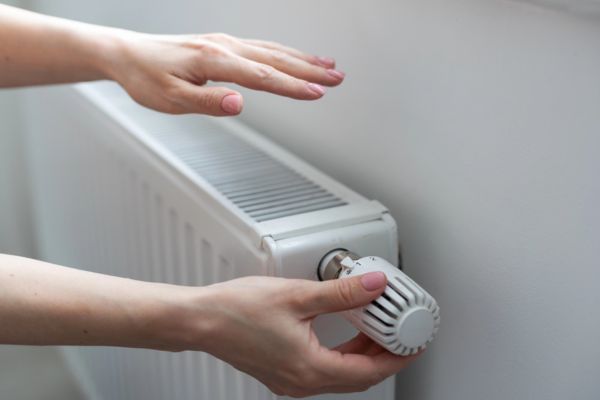
Today’s hydronic systems have thermostatic controls that let homeowners select their preferred room temperatures. The system then adjusts the water temperature as needed, ensuring efficient energy use while maintaining consistent comfort.
Zoning for Better Efficiency
Hydronic heating systems can be divided into zones, enabling specific rooms or areas to be maintained at different temperatures. This approach improves personal comfort while conserving energy, as only the necessary spaces are heated.
Recognizing how radiators function within a hydronic heating system helps homeowners take full advantage of the comfort and efficiency these systems provide. With proper care of both the radiators and the system, families can enjoy a warm, comfortable, and energy-efficient home all winter.
Signs Your Radiator Requires Service
Watch for these common indicators that your radiator may need professional attention:
- Strange Sounds: Gurgling or banging noises can point to potential problems.
- Uneven Heating: Cold spots often signal sediment buildup or blockages in the system.
- Regular Air Bleeding: A frequent need to release trapped air may reveal pressure issues or leaks.
- Visible Problems: Signs of rust or water damage indicate the need for prompt repairs.
Comprehensive Comfort Solutions: Trust Lake Region Energy for prompt heating oil delivery and professional heating services in one convenient package. Contact us now!
Importance of the Radiator in Hydronic Heating
Recognizing the essential role of a radiator in a hydronic heating system is key. It functions as the final stage, releasing the heat produced by the boiler into the living space. If the radiator fails, the heat stays within the system, stopping the circulation of warmth needed to protect the home from the cold.
Why Winter Preparation Matters for Heating Systems

In winter, a properly maintained heating system stands as a shield against severe cold. The following points show why readiness is so important:
- Dangers of Poor Preparation: A radiator that is not ready for the season can waste energy, raise heating costs, and suffer breakdowns when needed most. The system may strain to reach set temperatures, using more energy while increasing the risk of failure.
- Safety Issues: Safety must remain a top priority. Water escaping from a neglected radiator can cause structural harm and foster mold growth. Malfunctioning parts may also overheat, creating serious hazards.
- Comfort Assurance: A well-cared-for radiator helps maintain a warm and pleasant indoor space, protecting residents from freezing conditions and keeping the home a comfortable refuge.
Reliable Heat Made Simple: You can enjoy steady comfort throughout the season with heating oil delivery and professional service from Lake Region Energy. Call now!
Preparing Your Radiator for Winter
Making sure your radiator is ready for winter requires careful attention. Below are key steps to prepare your oil heating radiator for the cold months:
- Radiator Inspection: Begin with a detailed check for any damage or wear. Look for signs of water leakage and examine the control valves, vents, and connections for faults.
- Cleaning and Care: Keeping the radiator clean is crucial for efficiency. Remove dust and blockages that may restrict heat transfer and affect performance.
- Checking Water Quality and Levels: The water inside the system plays a major role in proper operation. Routine checks and quality testing help prevent damage and inefficiency.
- Ensuring Room Ventilation: Adequate airflow in the space is necessary for even heating and safe operation of the radiator.
- Scheduling Professional Service: Setting up regular maintenance with trained technicians allows early detection of issues, supporting efficiency and system longevity.
FAQ: Preparing Your Hydronic Oil Heating Radiator for Winter

What Are the Essential Steps to Get My Hydronic Heating Radiator Ready for Winter?
Preparing your hydronic oil heating radiator for winter begins with a full inspection to identify any damage or leaks. Clean the radiator to clear away dust and blockages that reduce efficiency. Check the system’s water quality and levels to avoid problems with circulation. Ensure the room has adequate ventilation for even heating, and schedule professional service to catch potential issues before they escalate.
How Can I Recognize When My Oil Heating Radiator Requires Professional Service?
Watch for warning signs such as gurgling or banging sounds, cold spots that point to uneven heating, or the constant need to bleed air from the radiator. Visible issues like leaks or rust are also clear indicators. When these problems arise, it is best to contact a professional for a thorough inspection and necessary repairs.
Why Should I Keep My Radiator Clean and Clear?
Keeping the area around your radiator clean ensures it operates at peak efficiency. Dust, dirt, and nearby obstructions can block heat transfer, lowering the radiator’s performance and forcing the system to use more energy to warm the room.
Guaranteed Comfort: Count on Lake Region Energy for prompt heating oil delivery and expert heating services that keep your home warm and protected. Call today!
What Advantages Come with Zoning My Hydronic Heating System?
Zoning a hydronic heating system lets you control the temperature in specific rooms or areas of your home. This provides greater comfort by meeting individual needs and increases energy efficiency by ensuring that only the used spaces are heated.
How Does Thermostatic Control Improve Hydronic Heating System Efficiency?
Thermostatic control lets you set the exact room temperature you prefer, and the system adjusts the water temperature to match. This precise regulation prevents overheating, reduces wasted energy, and ensures consistent comfort while keeping the system running at maximum efficiency.
Conclusion
Getting your radiator and hydronic heating system ready for winter goes beyond maintaining comfort; it is also about protecting your home, reducing energy use, and ensuring safety. Taking proactive steps provides peace of mind and guarantees a warm, welcoming environment throughout the season. Schedule professional service today to make sure your system is fully prepared for the winter ahead.
Excellence in Heating: Choose Lake Region Energy for premium heating oil and expert services that keep your home efficient and comfortable. Call today!
Contact Lake Region Energy for Trusted Heating Oil Delivery Services
Lake Region Energy is committed to keeping homes and businesses across Maine and New Hampshire warm and comfortable with dependable heating oil delivery. We focus on providing high-quality fuel promptly and efficiently, ensuring you get the warmth you need without added stress. Our dedication to excellent service includes fair pricing, transparent options, and a customer-first approach to every delivery.
Beyond heating oil delivery, Lake Region Energy also offers a complete range of HVAC services, making us your reliable source for all home comfort solutions.
When you choose Lake Region Energy, you partner with a trusted provider known for dependable service, strong community ties, and a commitment to customer satisfaction.
Reach out to us today to get started! Call now to learn more about our products and services or schedule an in-home consultation.
For more information about our fuel deliveries and HVAC services, be sure to contact Lake Region Energy. You can click here to contact us, or you can call us at (207) 839-5500 to find out more. We offer a full line of heating and cooling repairs, maintenance services, and installations. Click the link to view our service area.

Related Articles: