
A sudden electrical surge can leave your HVAC system facing expensive repairs or component failure. Without adequate HVAC surge protection, critical parts such as the control board, compressor, and fan motor remain susceptible to voltage spikes caused by lightning, utility problems, grid instability, and power restoration. Even short-lived surges can harm sensitive electronics, reduce equipment lifespan, or lead to an unexpected system breakdown.
This article explains how electrical surges can damage HVAC equipment, why surge protection matters, and practical steps that can help protect your heating and cooling system from costly electrical problems.
Is Your HVAC System Properly Protected Against Electrical Surges?
Effective surge protection can reduce the likelihood of electrical damage to your HVAC equipment, but the right level of protection depends on your system and electrical configuration. A qualified HVAC technician can evaluate your equipment, locate possible electrical vulnerabilities, and recommend suitable safeguards to help protect essential components from voltage surges and other electrical disturbances.
Understanding Electrical Power Surges
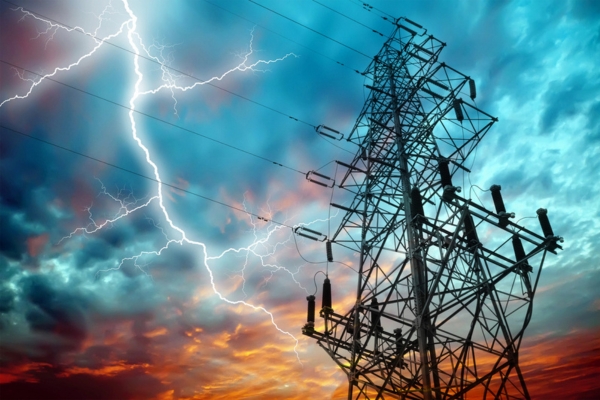
A power surge happens when the electrical voltage entering a home or building briefly increases beyond its standard operating range. These voltage spikes may be caused by lightning, utility grid problems, electricity returning after an outage, or high-powered equipment cycling on and off.
Even though a surge may occur for only a fraction of a second, excessive voltage can harm sensitive electrical parts. Within an HVAC system, repeated electrical stress can lead components to operate improperly, deteriorate gradually, or eventually stop working altogether.
Power Surges, Outages, and Brownouts: How Do They Differ?
Power surges, outages, and brownouts each interfere with electrical service, but they can affect HVAC equipment in different ways. Knowing how these events differ can help you identify electrical hazards and understand when your system may require added protection.
- Power Surge: A power surge is a rapid, temporary rise in electrical voltage that may happen within a fraction of a second. Lightning, utility grid disruptions, and high-powered equipment switching on or off can produce these voltage spikes. Even a brief surge may harm sensitive HVAC parts, such as control boards, motors, capacitors, and compressors.
- Power Outage: A power outage occurs when electrical service is completely interrupted to a house, building, or surrounding area. Common causes include severe storms, utility equipment problems, accidents, and planned grid maintenance. While losing electricity does not always harm HVAC equipment, voltage irregularities or surges when electrical service returns can create a risk.
- Brownout: A brownout happens when electrical voltage falls below its standard level without completely cutting power. Lights may dim or flicker, and electrical equipment may operate incorrectly. Brownouts may develop from excessive demand on the electrical grid, utility disruptions, or problems within a property’s electrical system. HVAC compressors and motors can experience additional strain when running for extended periods under low-voltage conditions.
HVAC Parts Vulnerable to Electrical Surge Damage
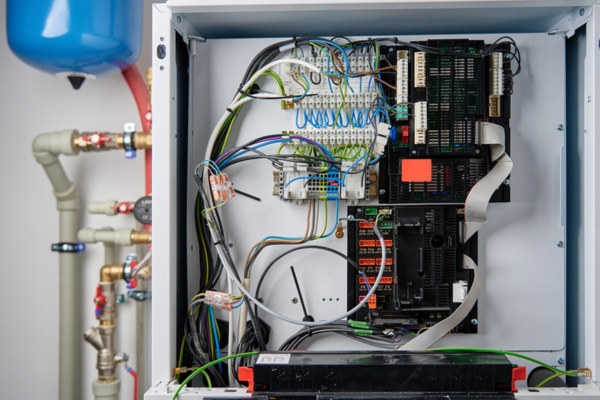
Today’s HVAC systems depend on numerous electrical and electronic parts that may be susceptible to abrupt voltage increases. Depending on the surge’s severity, electrical damage can cause immediate equipment failure or gradually weaken components, increasing the likelihood of premature breakdowns over time.
HVAC System Control Board
The control board directs HVAC functions by receiving thermostat commands and controlling heating, cooling, and airflow equipment. Because the board uses delicate electronic circuitry, sudden voltage spikes can damage its components and interfere with system operation. Problems may include inconsistent performance, startup failure, incorrect cycling, or the complete loss of heating or cooling.
Air Conditioner and Heat Pump Compressor
The compressor is among the most essential and expensive parts of an air conditioner or heat pump. It pressurizes refrigerant, raising its temperature and pressure so the system can move heat effectively throughout the refrigeration cycle.
High voltage or current can cause the compressor motor’s electrical windings to overheat. A strong surge can harm the windings, insulation, terminals, or other electrical parts, leading to reduced cooling, startup difficulties, breaker trips, or total compressor failure.
HVAC Motor Capacitor
HVAC capacitors hold electrical energy and deliver the extra power some motors require for startup or efficient operation. These components are commonly connected to compressors and outdoor fan motors. Sudden voltage increases can put excessive electrical strain on a capacitor, causing deterioration or failure. A damaged capacitor may keep motors from starting correctly, lower system efficiency, and increase stress on other HVAC parts.
HVAC Relays and Contactors
Relays and contactors function as electrical switches that direct power to compressors, fan motors, and other high-voltage HVAC parts. Electrical surges can harm their coils, contacts, or wiring connections. Pitted or burned contacts may interfere with power flow, while coil damage can keep the switch from opening or closing correctly. These issues may prevent specific components or the complete HVAC system from functioning as intended.
Ways to Protect Your HVAC System From Power Surges in ME and NH
Power surges can harm sensitive HVAC parts and lead to costly repairs or early equipment failure. Appropriate preventive measures can lower these risks and better protect your system.
- Add Dedicated HVAC Surge Protection: An HVAC surge protective device can help control excess voltage before it reaches vulnerable electrical components. Have a qualified professional choose and install suitable protection for your specific equipment.
- Use Whole-Home Surge Protection: A whole-home surge protector installed at your electrical panel offers broader protection for HVAC equipment and other connected devices. Combining whole-home protection with a dedicated HVAC surge protector can add an extra layer of defense.
- Maintain Electrical Components Properly: Loose connections, damaged wiring, and worn electrical parts can increase the likelihood of HVAC trouble during electrical disturbances. Have a qualified professional inspect the system and address any electrical concerns.
- Schedule Routine HVAC Maintenance: Regular professional maintenance can uncover deteriorating components, loose electrical connections, weakening capacitors, and other problems that may leave the system more susceptible to electrical damage.
- Schedule an Inspection After a Significant Surge: Lightning, utility problems, or restored power may sometimes harm HVAC components without causing immediate system failure. If your equipment develops unusual noises, irregular cycling, or reduced performance following an electrical event, arrange a professional inspection.
Understanding Coverage for HVAC Surge Damage
Many HVAC equipment warranties do not cover damage resulting from outside electrical events, such as lightning strikes and power surges. Homeowners insurance may cover damage under certain circumstances, but coverage varies by policy, source of damage, deductible, and required documentation.
When coverage does not apply, homeowners may need to pay repair or replacement expenses resulting from surge-related HVAC damage. Check your HVAC warranty and homeowners insurance policy in advance to understand what protection applies before an electrical incident happens.
FAQs About HVAC Surge Protection

How Do I Know Whether My HVAC System Has Surge Protection?
Check for a surge protection device located near the outdoor HVAC equipment, electrical disconnect, or main electrical panel. Homeowners may find these devices hard to identify. A qualified HVAC technician or electrician can verify whether surge protection is present and determine whether it suits your system.
How Often Should an HVAC Surge Protector Be Replaced?
HVAC surge protectors don’t have a standard lifespan because they absorb electrical surges over time, and one powerful event may reduce their protective capability. Certain models have indicator lights that display their operating condition. Routine professional inspections can help identify when the device needs replacement.
Can HVAC Surge Protection Prevent Damage From a Direct Lightning Strike?
Surge protection can lower the chance of damage from many voltage spikes, including certain lightning-related events. However, no protective device can guarantee safety against a direct or exceptionally powerful lightning strike. Proper electrical grounding and professionally installed surge protection can provide more comprehensive overall protection.
Should New HVAC Equipment Have Surge Protection?
New HVAC equipment can benefit from surge protection because modern systems frequently use advanced electronic controls, sensors, and variable-speed technology. Shielding these sensitive components from sudden voltage spikes can help lower the likelihood of premature electrical damage or failure.
Can Frequent Minor Power Surges Harm HVAC Equipment?
Yes. Minor surges might not trigger immediate problems, but recurring electrical stress can slowly deteriorate sensitive HVAC components. As damage accumulates over time, it may lead to inconsistent operation, shortened component lifespan, or an unexpected equipment failure.
Conclusion
Electrical surges can harm sensitive HVAC components, reduce equipment lifespan, and result in expensive repairs or early system replacement. Appropriate surge protection, regular HVAC maintenance, and professional electrical evaluations can help minimize these risks and safeguard your equipment.
Contact Lake Region Energy today for an HVAC surge protection evaluation. Our experienced technicians can assess potential electrical vulnerabilities and recommend solutions to help protect your system against damaging power surges.
Contact Lake Region Energy for Complete HVAC Services in Maine and New Hampshire
Lake Region Energy delivers reliable heating and cooling services across Maine and New Hampshire. Our certified HVAC technicians provide system maintenance, repairs, installations, replacements, and other home comfort solutions with expert attention. Backed by extensive industry experience, our team provides dependable service that helps HVAC equipment operate safely and efficiently.
We pair skilled workmanship with competitive heating and cooling service rates. Our maintenance services can enhance indoor comfort, promote energy efficiency, and help control heating and cooling expenses. When system repairs or equipment replacement become necessary, our technicians can recommend options that fit your property, comfort needs, and budget.
Lake Region Energy stands behind our services and remains committed to customer satisfaction. Call us today to schedule your HVAC service appointment.
For more information about our HVAC services and fuel deliveries, be sure to contact Lake Region Energy. You can click here to contact us, or you can call us at (207) 839-5500 to find out more. We offer a full line of heating and cooling repairs, maintenance services, and installations. Click the link to view our service area.

Related Articles: