
A furnace’s reliability depends on more than its quality. The installation process plays an equally crucial role in determining how well the equipment operates. Improper furnace installation can lead to costly malfunctions, premature breakdowns, safety hazards, and long-term heating problems. This makes professional installation essential for maintaining dependable home comfort.
Proper furnace installation directly affects heating performance, energy efficiency, and overall system longevity. Accurate equipment sizing and correct installation procedures are also essential for maintaining safe, consistent operation. This article explains why professional furnace installation matters and how it helps protect your heating investment while ensuring reliable home comfort.
Why A Manual J Load Calculation Matters Before Installing A Furnace
A successful furnace installation starts with an assessment that ensures your heating system meets your home’s needs. This process involves performing a Manual J load calculation, which establishes the appropriate heating capacity and equipment size for your property. What exactly does this calculation involve, and why is it so important?
Why A Manual J Load Calculation Is Important
A Manual J load calculation determines a home’s heating and cooling requirements by evaluating factors such as square footage, construction materials, insulation levels, wall orientation, and other characteristics that influence HVAC system sizing.
This assessment establishes the appropriate equipment capacity, typically expressed in British Thermal Units (BTUs) per hour or tons of cooling. One ton of cooling capacity equals 12,000 BTUs per hour, representing the energy needed to melt approximately 2,000 pounds of ice over 24 hours.
A Manual J calculation is essential because every home has unique construction features, layouts, materials, and occupancy needs. Proper HVAC sizing ensures consistent indoor temperatures and efficient operation. An undersized or oversized system may struggle to meet heating and cooling demands, resulting in excessive operation and reduced efficiency.
Incorrect sizing can also cause short cycling, where the furnace repeatedly starts and stops, increasing component wear and the risk of premature failure. When their HVAC system can’t meet their home’s needs, homeowners may experience uneven temperatures, higher energy costs, and reduced comfort.
Safety Hazards Associated With Incorrect Furnace Installation
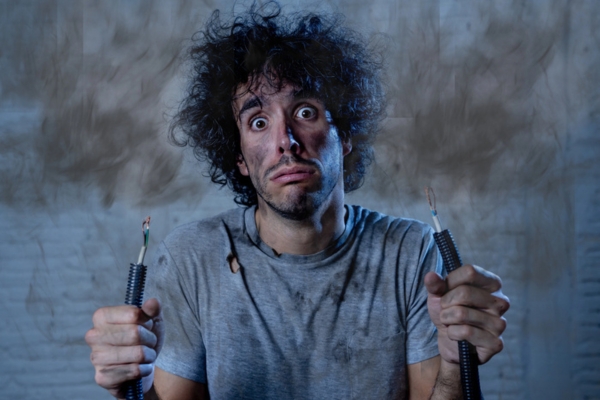
An improperly installed furnace can create more than operational problems. It may also introduce serious safety risks that threaten your home and family. Some potential hazards include:
Gas Leaks From Furnace Connections
Loose fittings or improperly sealed gas connections can allow fuel to escape. Natural gas leaks create fire and explosion hazards, while malfunctioning gas furnaces may produce carbon monoxide, a colorless, odorless, and highly toxic gas. Exposure can cause serious health complications for people and pets.
Electrical Hazards
Improper furnace installation can lead to faulty electrical connections that compromise system safety and performance. Poor wiring may cause excessive power consumption, frequently tripped circuit breakers, or increased fire risks. Electrical problems can also reduce heating efficiency, forcing the system to consume more energy than necessary and increasing utility expenses.
How Incorrect Furnace Installation Affects Indoor Comfort
A poorly installed furnace can place excessive strain on heating equipment while compromising indoor comfort. When the system cannot operate as intended, homeowners may experience several problems, including:
Reduced Indoor Air Quality
Your HVAC system plays an important role in maintaining healthy indoor air quality. Poorly designed drainage systems can cause water leaks that damage your home’s structure. Accumulated moisture may also promote mold and mildew growth, introducing contaminants that compromise indoor air quality.
Uneven Air Distribution
Improper furnace installation, especially in the ductwork, can disrupt airflow throughout your home. This often occurs when the furnace’s heating capacity is incompatible with the duct system’s dimensions. Poor air distribution can result in inconsistent room temperatures, reduced comfort, and lower heating efficiency.
Uneven Heating Throughout Your Home
Poor airflow can create uncomfortable temperature differences between rooms. Certain areas may become excessively warm while others remain too cold, affecting household comfort and potentially creating safety concerns.
Problems With Furnace Ventilation
Incorrect furnace venting can compromise performance and safety. Improperly sized vent pipes, unsuitable materials, or faulty vent connections may prevent exhaust gases from escaping safely, causing heating problems and potentially dangerous conditions.
Selecting A Qualified HVAC Contractor For Furnace Installation in ME and NH
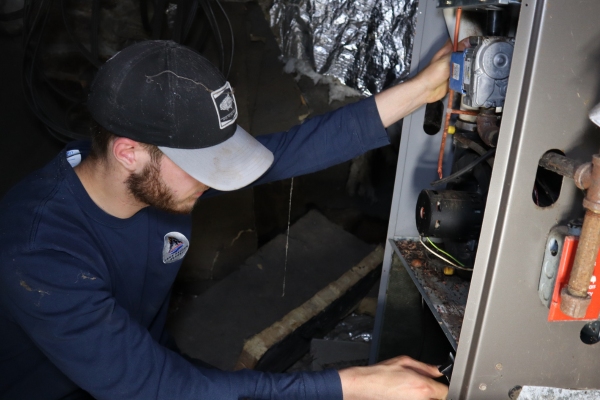
Proper furnace installation requires the expertise of a licensed, experienced, and reputable HVAC contractor. Before hiring a heating company in Maine or New Hampshire, consider these important qualifications:
Professional HVAC Certifications And NATE Credentials
North American Technician Excellence (NATE) certification recognizes HVAC technicians who successfully complete specialized examinations demonstrating their technical knowledge and skills. This independent organization evaluates heating and cooling professionals through industry-recognized competency assessments that cover installation and service. NATE certification indicates that a technician has demonstrated proficiency in HVAC practices and possesses the expertise needed to perform professional furnace installations correctly.
Licensed And Bonded HVAC Contractors
Licensed HVAC technicians have the training and qualifications needed to perform professional heating services. A valid license demonstrates compliance with applicable industry and regulatory requirements. Contractor license bonds provide financial protection for customers if the contractor fails to meet certain obligations.
Customer References And Recommendations
Before choosing a furnace installation or replacement contractor, request references from previous customers. Positive feedback and recommendations from satisfied clients can help verify the company’s expertise, workmanship, and service reliability.
Frequently Asked Questions About Improper Furnace Installation

What Should Homeowners Evaluate Before A Furnace Installation?
Before installing a furnace, evaluate your home’s size, local climate, existing ductwork, and equipment efficiency ratings. Selecting a properly sized heating system that meets your household’s requirements helps maintain reliable performance, consistent comfort, and lower energy costs.
How Much Time Does Furnace Installation Usually Require?
A standard furnace installation typically takes one day, although more complicated projects may require two days. The timeframe depends on factors such as removing existing equipment, modifying ductwork, or replacing components to accommodate the new heating system.
Is A Permit Required For A New Furnace Installation?
Most municipalities require permits for furnace installations, particularly when modifications involve heating equipment, electrical connections, or gas lines. Permit requirements vary by location, and qualified HVAC contractors can typically manage the application process on your behalf.
Which Furnace Is Best Suited For My Home?
Choosing the right furnace depends on your budget, available fuel sources, and household heating requirements. A qualified HVAC professional can evaluate these factors and recommend equipment that matches your comfort needs and preferences.
What Features Make A New Furnace More Energy Efficient?
Choose a furnace with a high Annual Fuel Utilization Efficiency (AFUE) rating, which indicates better fuel efficiency. Energy-saving features such as variable-speed blowers and modulating burners can further improve heating performance while reducing energy consumption.
Conclusion
Professional furnace installation plays a vital role in maintaining a comfortable and safe home. Experienced HVAC contractors ensure your heating system is correctly sized and installed to deliver reliable performance. Proper installation improves energy efficiency, prevents unnecessary problems, and maintains consistent indoor comfort throughout the heating season.
Contact Lake Region Energy For Professional HVAC Services In Maine And New Hampshire
Lake Region Energy provides quality heating and cooling services throughout Maine and New Hampshire. Our skilled HVAC technicians specialize in furnace installations, maintenance, repairs, and system replacements. With extensive industry experience, our team ensures your heating equipment operates safely, efficiently, and reliably.
Whether you need furnace repairs or a complete heating system replacement, Lake Region Energy offers professional solutions at competitive rates. Our technicians can recommend properly sized, energy-efficient equipment that meets your home’s heating requirements and budget. We prioritize lasting comfort, improved indoor air quality, and dependable system performance.
Contact Lake Region Energy today to schedule an HVAC service appointment or request a free in-home consultation. Call now!
For more information about our HVAC services and fuel deliveries, be sure to contact Lake Region Energy. You can click here to contact us, or you can call us at (207) 839-5500 to find out more. We offer a full line of heating and cooling repairs, maintenance services, and installations. Click the link to view our service area.

Related Articles: